Loan Officer | NMLS: 2739079
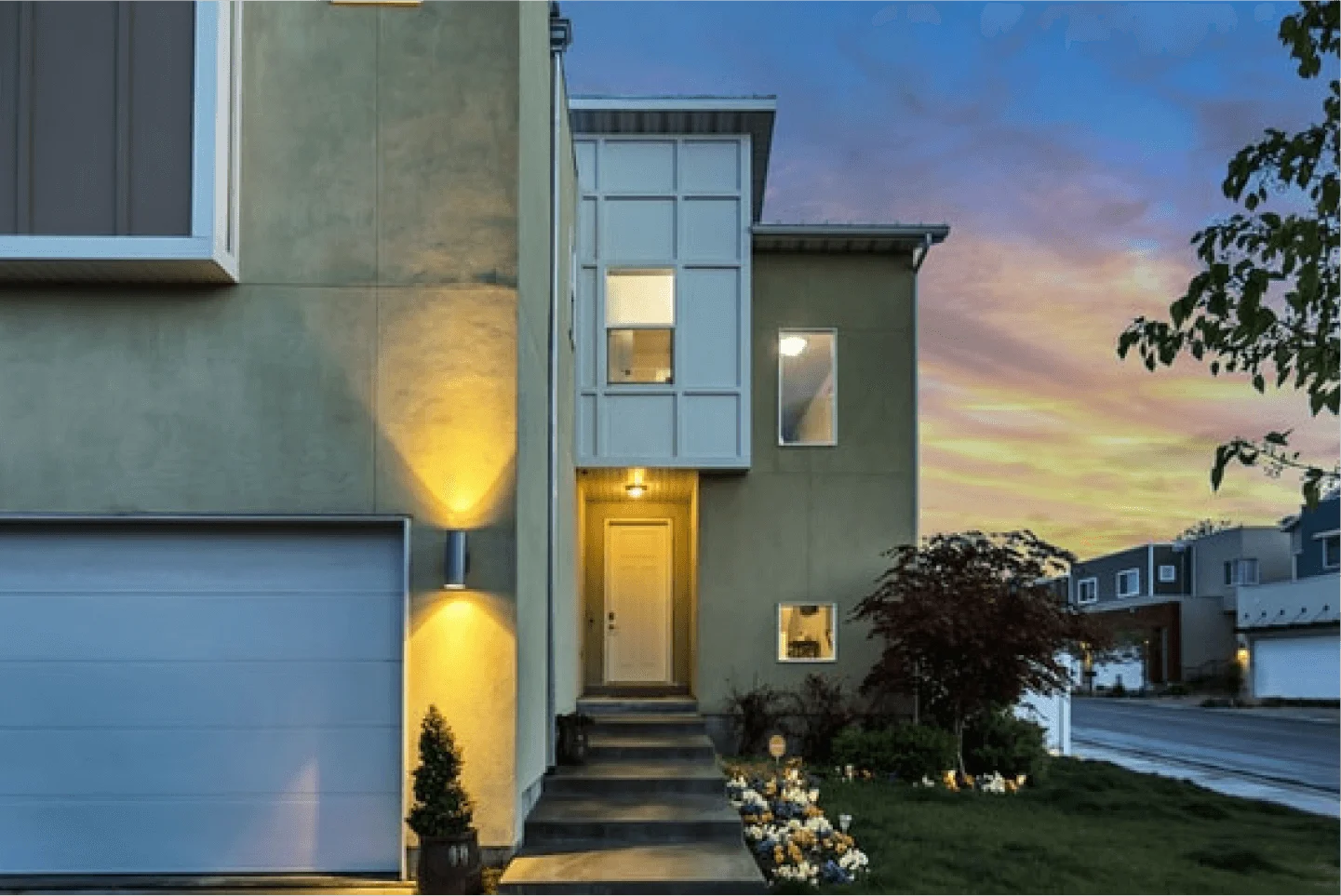
Buying a home is an exciting journey, especially when you have the right tools and strategies in your toolkit. For many, the VA loan is one of the best options available, especially for veterans and active-duty service members. This unique mortgage program can help you conquer the hurdles of homebuying and achieve your dream of homeownership. In this blog, I want to share some expert strategies that can enhance your understanding of VA loans and help you navigate through the homebuying process with confidence.
First, let’s talk about what makes VA loans special. Unlike conventional loans, VA loans are backed by the U.S. Department of Veterans Affairs, which means they offer several benefits that can make homebuying more accessible. For instance, VA loans do not require a down payment, which can be a significant hurdle for many first-time homebuyers. This feature allows you to keep your savings for other expenses that come with buying a home, such as closing costs and moving expenses.
Another notable advantage of VA loans is that they do not require private mortgage insurance (PMI). PMI is usually required by lenders when the down payment is less than 20% on conventional loans, adding to your monthly payments. With a VA loan, you can avoid this additional cost, which can save you a substantial amount over the life of your loan.
Understanding your eligibility for a VA loan is crucial. To qualify, you must meet certain service requirements. Generally, veterans who have served in active duty for 90 days during wartime or 181 days during peacetime are eligible. Additionally, certain members of the National Guard and Reserves, as well as some surviving spouses, may also qualify. It's important to obtain a Certificate of Eligibility (COE) from the VA, which confirms your eligibility for the program. This certificate is usually easy to obtain, and I recommend reaching out to me to help guide you through this process.
Once you know you're eligible, it’s time to focus on your financial health. Even though VA loans are more forgiving than conventional ones, it's still important to keep your credit in good shape. Lenders typically look for a credit score of at least 620 for a VA loan. If your score is lower, don't worry! There are steps you can take to improve it. Paying down existing debt, making timely payments, and checking your credit report for errors are all smart moves to boost your credit score.
Another aspect to consider is your debt-to-income (DTI) ratio. This ratio compares your monthly debt payments to your gross monthly income. Most lenders prefer a DTI ratio of 41% or lower for VA loans. If your DTI is higher than this, consider looking at ways to reduce your debt before applying. This might mean paying off smaller loans or increasing your income through side jobs or freelance work.
When it comes to choosing the right home, understanding your needs is essential. Are you looking for a place to settle down for the long haul, or are you considering a starter home? Knowing what you want can help streamline your search. Additionally, don’t forget to think about location. Proximity to work, schools, and community services can significantly impact your decision.
Once you've pinpointed the ideal area, diving into the housing market can feel overwhelming. However, having a clear idea of your budget will give you an edge. Use your VA loan benefits to your advantage. Work with me to understand how much you can afford. We’ll take into account your income, credit score, and any other factors that will affect your purchasing power.
As you start viewing homes, it’s crucial to remain open-minded. The perfect home might not check every box on your list, but a little flexibility can lead you to the right fit. Look beyond aesthetics—focus on the potential for growth and improvements. A home that might need a little TLC can often be purchased for a better price, allowing you to build equity over time.
When you find a home you love, this is where expert negotiating skills come into play. VA loans sometimes have different appraisal requirements compared to conventional loans. It’s essential to have a knowledgeable real estate agent or me by your side to help navigate this process. We can work together to ensure the home is appraised at its fair value, which is crucial for closing the deal.
Some buyers worry about closing costs, but don’t let that deter you. VA loans allow for some of these costs to be covered. For example, the seller can pay up to 4% of the closing costs, which could significantly reduce your financial burden. Again, this is where having a seasoned professional like me in your corner can make a difference. We can strategize together to maximize these benefits.
One vital piece of the VA loan process is understanding funding fees. While VA loans do not require PMI, they do have a funding fee that helps sustain the program. This fee can vary based on your service history, whether it’s your first VA loan, and the size of your down payment. The good news is that this fee can often be rolled into the loan amount, minimizing your out-of-pocket expenses at closing.
As you near the finish line, remember that patience is key. The homebuying process can sometimes feel like a marathon, but staying positive and proactive can help you overcome any last-minute hurdles. Keep close communication with me as we navigate the final stages of your loan application and closing process.
Ultimately, buying a home with a VA loan is not just about securing a mortgage; it’s about laying down roots and investing in your future. With the right strategies and guidance, you can conquer any obstacles that come your way. Your dream home is within reach, and I’m here to help you make it a reality.
If you’re ready to take the next step or have specific questions about your situation, don’t hesitate to reach out. Together, we’ll craft a plan tailored to your needs and aspirations on this exciting journey to homeownership.
Loan Officer
Mathewson Mortgage Capital | NMLS: 2739079